
When searching for "Shenzhen Binance Exchange," many users are actually referring to the broader Binance ecosystem and its operational ties to the Asia-Pacific region, including Hong Kong and mainland China's special administrative zones. It is important to clarify that Binance, as a global cryptocurrency exchange, does not have a physical exchange located in Shenzhen. Instead, Shenzhen often serves as a hub for blockchain innovation, technology development, and regional crypto trading activities. Understanding this distinction is crucial for accurate evaluation.
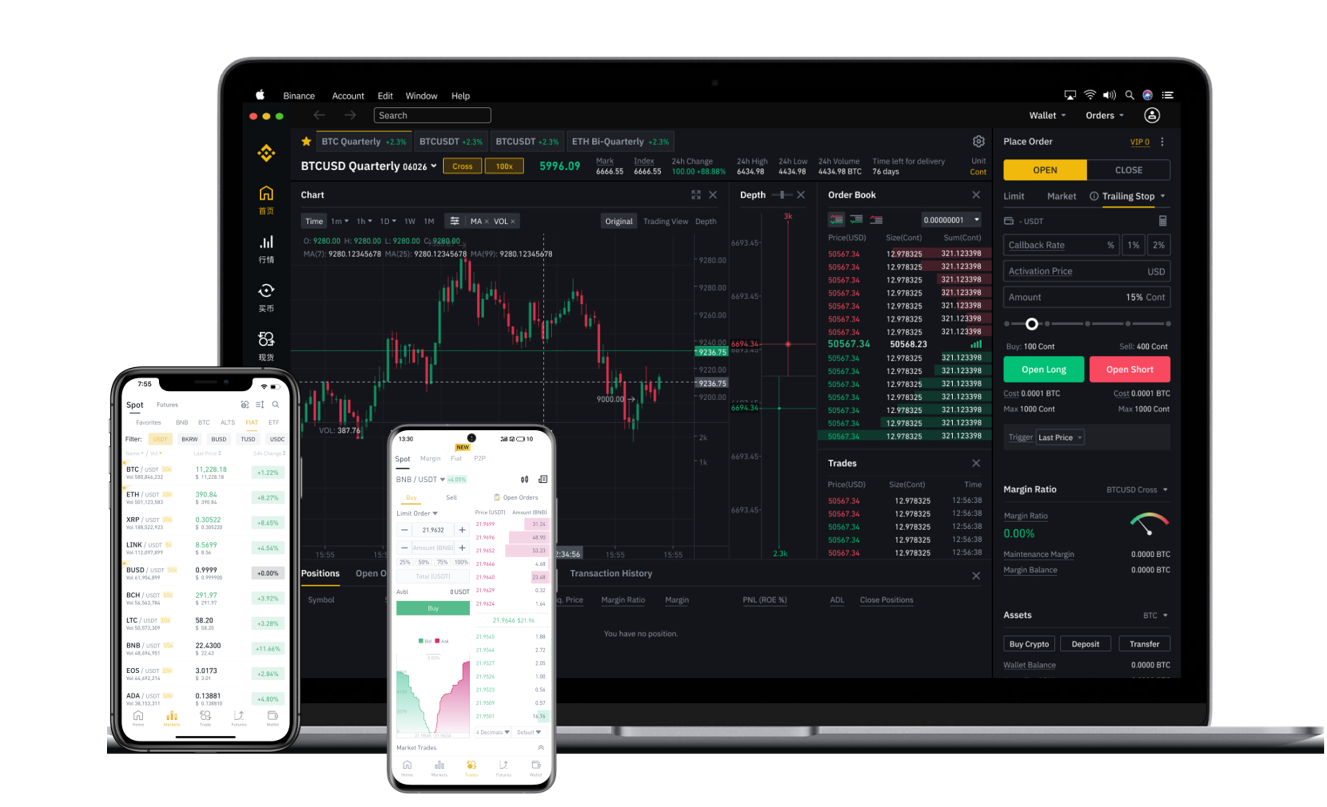
For traders exploring the performance of Binance from a Shenzhen or Greater China perspective, the platform remains one of the most liquid and feature-rich exchanges in the world. Binance offers spot trading, futures, margin trading, staking, and an NFT marketplace. Its interface supports multiple languages, including simplified Chinese, and its customer service has historically been responsive to users in the region. However, regulatory restrictions in mainland China have impacted direct access, meaning users in Shenzhen often rely on VPNs or decentralized alternatives to engage with the platform.
From a security standpoint, Binance has invested heavily in cold storage, insurance funds (SAFU), and two-factor authentication. Despite past hacks, the exchange has maintained a strong track record of compensating users. For Shenzhen-based crypto enthusiasts, the binance Smart Chain (BSC) ecosystem offers low transaction fees and high throughput, making it a popular choice for decentralized applications and DeFi protocols. This technical advantage complements the trading engine, which can handle high volume without significant latency.
Another critical factor is Binance's Know Your Customer (KYC) policies. While the exchange has relaxed some requirements for certain tiers, users in Shenzhen may face stricter verification due to local regulations. The exchange supports deposits and withdrawals in Chinese Yuan (CNY) through peer-to-peer trading, provided the user complies with regional anti-money laundering laws. This hybrid approach allows for flexibility but requires careful attention to compliance risks.
Ultimately, evaluating "Shenzhen Binance Exchange" requires recognizing that Binance operates as a global entity, not a local platform. Its performance is strong in terms of liquidity, coin availability, and trading tools, but users must stay informed about evolving regulations. For traders in Shenzhen, Binance remains a powerful tool for accessing global crypto markets, provided they take necessary precautions regarding network stability and legal compliance.