When evaluating a cryptocurrency exchange, the user interface (UI) is often the first and most critical point of contact. For both novice traders and seasoned professionals, a platform’s layout, navigation, and tool accessibility directly impact trading efficiency and overall satisfaction. Binance, as the world’s largest crypto exchange by trading volume, has invested heavily in refining its interface. But how does it actually perform for different user types?
First, it is important to distinguish between the two primary versions of Binance: the simplified "Lite" mode and the advanced "Pro" mode. The Lite interface is designed for beginners. It features a clean, minimalist dashboard with large buttons for Buy, Sell, and Swap. The asset overview is straightforward, showing a simple balance and price chart. Navigation is intuitive, with clear labels and a single sidebar for accessing wallets, rewards, and history. For someone new to crypto, this interface reduces the overwhelming complexity of trading terms and order types.
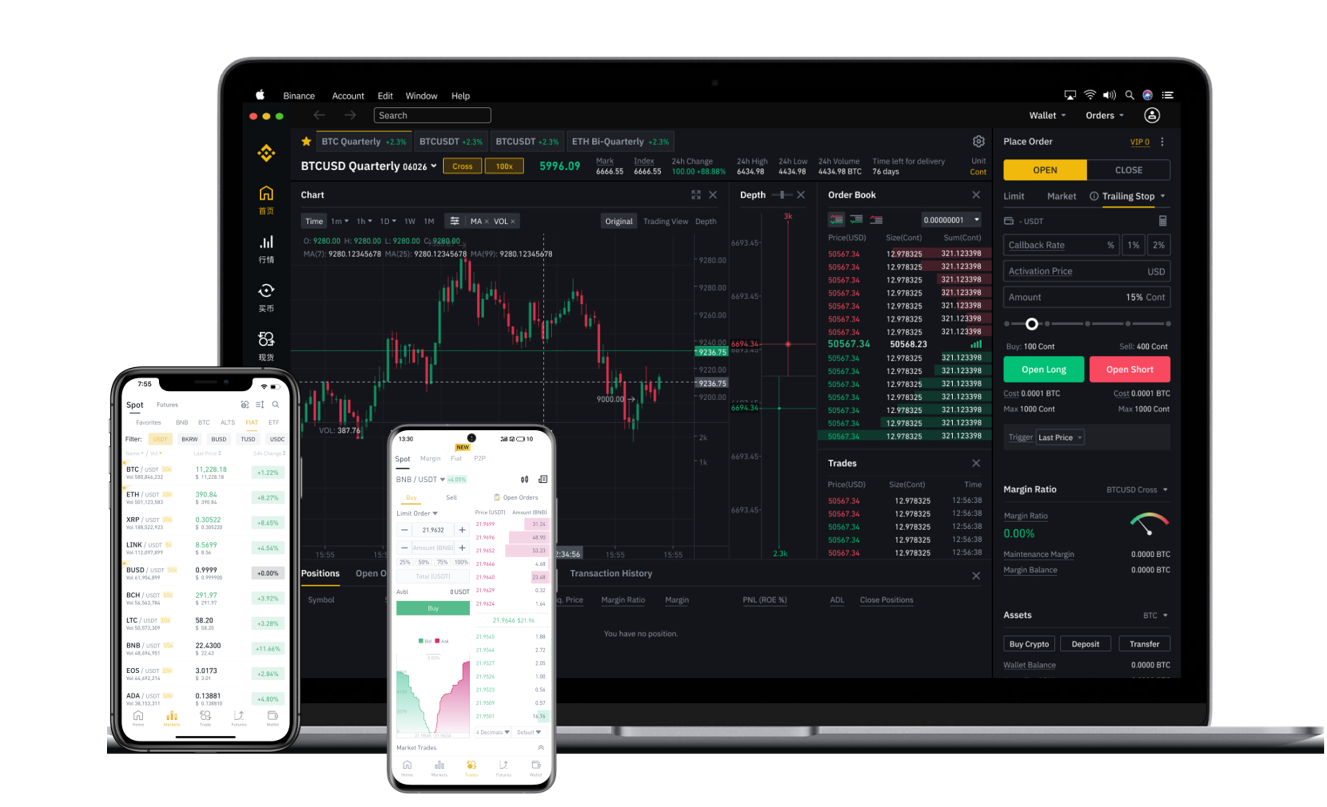
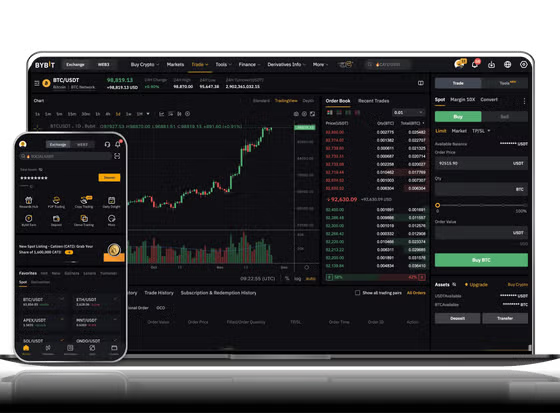
In contrast, the Pro interface is a powerhouse of trading tools. It resembles professional platforms like TradingView, with a multi-panel layout. The left side hosts the order book, the center displays a depth chart and candlestick chart, and the right side contains the order panel. Users can switch between limit, market, stop-limit, and OCO (One-Cancels-the-Other) orders with a single click. The interface is highly customizable. Traders can resize panels, change chart indicators (RSI, MACD, Bollinger Bands), and save custom workspace layouts. This level of control is essential for scalpers and algorithmic traders.
Another key aspect of the Binance interface is its information density. On the Pro dashboard, every pixel is used efficiently. Real-time price changes, 24-hour volume, and high/low prices are always visible at the top. The trade history panel scrolls live, showing every executed order. For experienced users, this density is a feature, not a flaw. However, for those with lower screen resolutions or slower internet connections, the interface can feel cluttered. Binance partially addresses this by allowing users to collapse panels, though the default layout still assumes a large monitor.
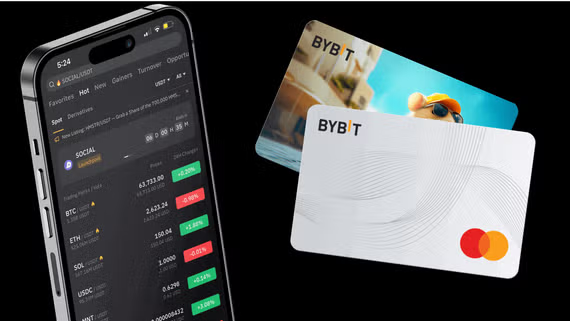
Mobile experience is also a critical component. The Binance app mirrors the desktop platform’s split personality. The "Lite Home" screen offers a simple portfolio view and one-tap buy options. The "Pro" mode in the app provides full charting with technical indicators, though the smaller screen makes precise order entry more challenging. One standout feature is the "Trade" tab’s gesture controls, where swiping left or right switches between trading pairs without reloading the page.
However, the interface is not without criticisms. Some users report that the navigation between different sections—such as moving from "Spot" to "Futures" to "Earn"—requires too many clicks. The sheer number of services (P2P trading, staking, launchpad, margin) can make the sidebar feel like a maze. Additionally, the dark theme, while popular among traders, can make certain text elements hard to read in bright lighting conditions. Binance does offer a light theme, but it is buried in the settings.
From a search engine optimization perspective, the Binance interface is designed for speed. The platform uses lazy loading for charts and asset lists, ensuring that initial page loads are fast. The URL structure for trading pairs is clean (e.g., binance.com/en/trade/BTC_USDT), which improves crawlability. The site also uses standard HTML tags and meta descriptions, helping search engines index its content efficiently.
In conclusion, the Binance interface excels in versatility and depth. The Lite mode successfully bridges the gap for newcomers, while the Pro mode satisfies the demands of technical traders. The interface’s main trade-off is between density and simplicity. If you are looking for a mobile-first, beginner-friendly experience, Coinbase might feel cleaner. But if you want a single platform that scales from buying a small amount of Bitcoin to executing complex futures strategies, Binance remains a top contender. The interface is robust, but it demands a learning curve—one that is well-documented through Binance’s own tutorials and community guides.