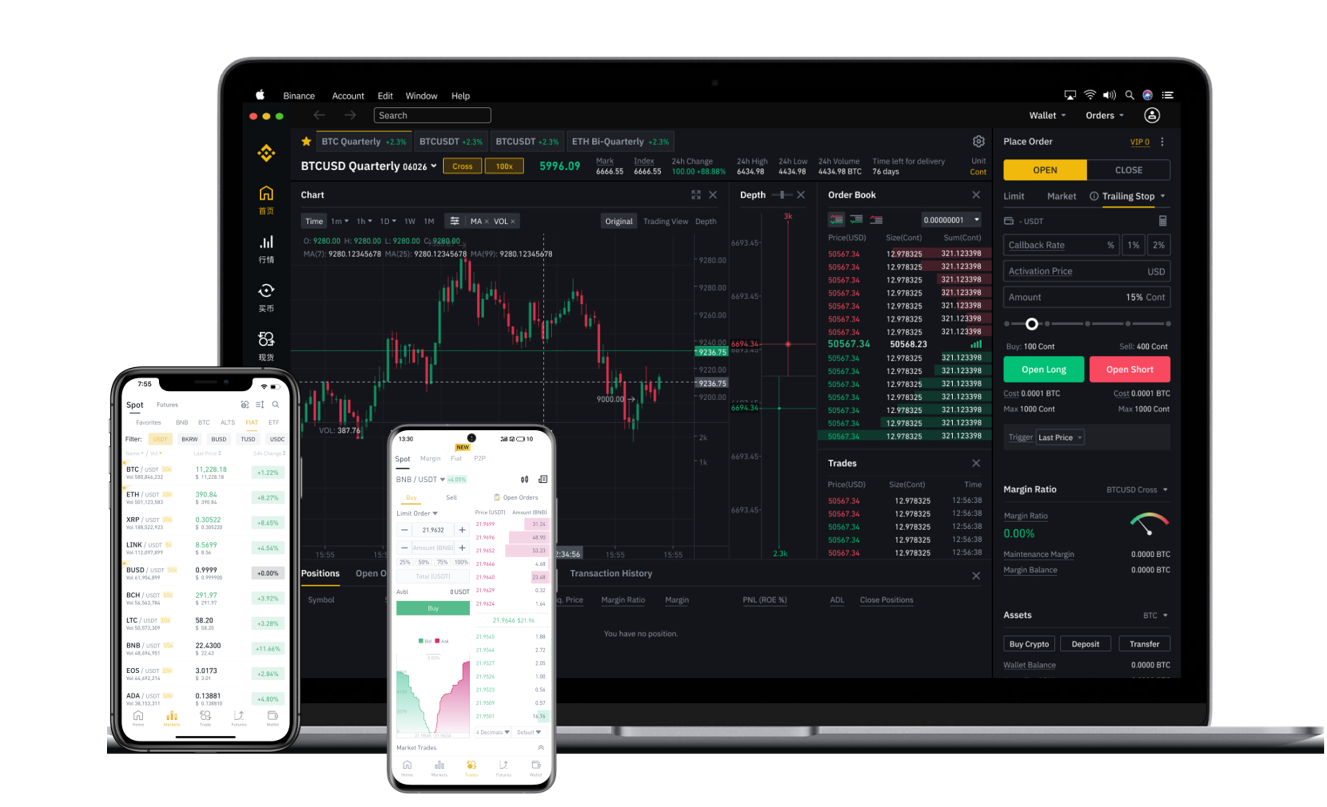
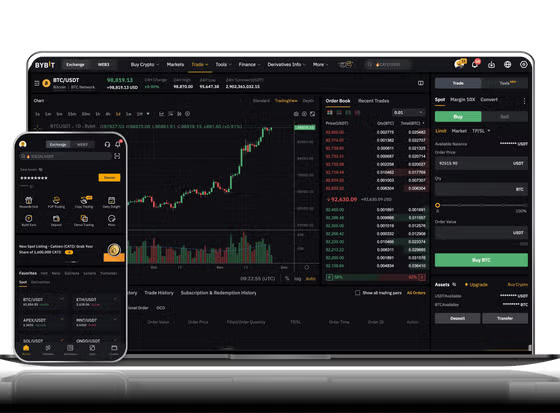

Binance leverage trading has become one of the most popular tools for cryptocurrency investors looking to amplify their potential returns. However, without a solid understanding of the mechanics, it can also lead to significant losses. This guide breaks down the essential strategies every beginner needs to know before entering a leveraged position on Binance.
First, it is critical to understand what leverage actually does. When you use 5x leverage on Binance, for example, your position size is multiplied by five. This means if Bitcoin rises by 1%, your profit increases by 5%. Conversely, a 1% drop results in a 5% loss. The key is to always recognize that leverage magnifies both gains and losses equally. For this reason, beginners should never start with the maximum leverage offered (which can be up to 125x on some pairs). Instead, start with 2x or 3x to get a feel for how the market moves against your position.
Second, risk management is non-negotiable. The most effective tool on Binance is the stop-loss order. Before opening any leveraged trade, set a stop-loss at a price level where you are willing to exit the trade with a small loss. A common strategy is to place the stop-loss at 5-10% below your entry price, depending on market volatility. Never move your stop-loss further away to "hope" the price comes back. This is a mistake that often leads to liquidation.
Third, always monitor the liquidation price. In Binance leverage trading, every position has a specific liquidation price displayed on the trading interface. If the market hits this price, your collateral is lost. A useful tactic is to maintain a healthy margin ratio. This means keeping extra funds in your wallet to avoid automatic liquidation during short-term price fluctuations. Many experienced traders keep at least 50% of their total capital as a safety buffer.
Fourth, understand the difference between isolated and cross margin modes. Isolated mode limits risk to a specific position. If that trade is liquidated, you only lose the funds allocated to it. Cross margin, on the other hand, uses your entire wallet balance as collateral. For beginners, isolated margin is generally safer because it contains potential losses to a single trade. Only switch to cross margin once you are confident in your strategy and risk tolerance.
Fifth, avoid over-trading and emotional decisions. Leverage trading on Binance can feel like a fast-paced game, but discipline is what separates profitable traders from those who lose everything. Set a daily or weekly limit for how many trades you take. Keep a trading journal to track your wins and losses. This practice helps identify patterns in your decision-making. If you find yourself chasing losses, it is better to step away from the platform for a few hours or even a full day.
In conclusion, Binance leverage trading offers powerful opportunities, but only for those who respect its risks. By starting with low leverage, using stop-losses, monitoring liquidation prices, choosing isolated margin, and maintaining emotional discipline, beginners can build a foundation for sustainable trading. Remember, the goal is not to get rich overnight, but to survive long enough to learn and compound your success over time. Always trade with money you can afford to lose, and never let a single trade define your portfolio.