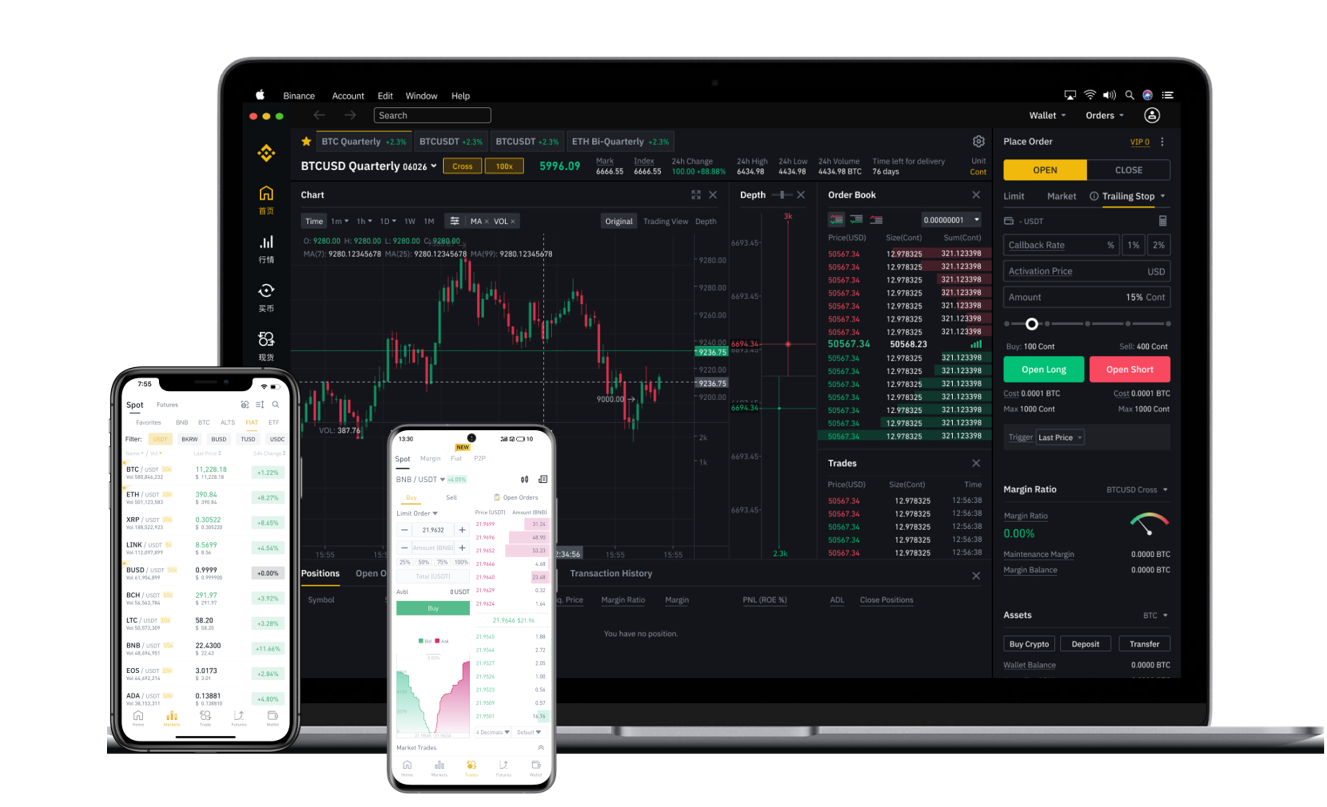
As one of the world’s largest cryptocurrency exchanges, Binance remains a primary target for scammers and fraudsters. Whether you are a seasoned trader or a newcomer looking to sell your digital assets, understanding the latest scams is essential for protecting your funds. This Binance scam prevention guide focuses specifically on the selling process, detailing common threats and practical steps to ensure your transactions remain secure.
Common Scams When Selling on Binance
Scammers often exploit the peer-to-peer (P2P) trading feature, where users sell crypto directly to buyers. One frequent tactic is the “chargeback scam.” After sending fiat currency via a payment app like PayPal or a bank transfer, the fraudulent buyer initiates a chargeback with their bank, claiming the transaction was unauthorized. Meanwhile, the seller has already released the crypto. Once the chargeback goes through, the seller loses both the money and the cryptocurrency. Another prevalent scam involves fake payment confirmation emails. A buyer may send a doctored screenshot or a forged email claiming a transfer has been made. If the seller releases the crypto without verifying the funds in their own bank or payment account, they become a victim. Additionally, phishing attacks targeting sellers are common. Scammers set up fake websites that mimic Binance’s login page or send SMS/text messages with malicious links. If you enter your API key, 2FA code, or withdrawal password into these fake sites, scammers can immediately drain your account.
How to Verify a Legitimate Buyer
Before proceeding with any sale on Binance, always verify the buyer’s identity and transaction history. Check their completion rate, the number of orders they have successfully finished, and their account age. Sellers should only trade with well-reviewed, verified accounts. Avoid accepting trades from users with zero orders or newly created profiles, as these are often burner accounts used by scammers. Furthermore, never trust payment verification solely from the buyer’s screenshots or email copies. Login to your own payment platform (e.g., PayPal, Alipay, or your bank account) and actively check for the incoming funds. Only release your crypto once the money shows as “available” or “cleared” in your account, not just as “pending.”
Essential Security Settings to Activate
Binance offers several security features that sellers must enable. First, activate Two-Factor Authentication (2FA) using an authenticator app like Google Authenticator or Authy, rather than SMS-based 2FA, because SIM-swapping attacks are increasingly common. Second, set up a whitelist for withdrawal addresses. This restricts any crypto withdrawals to only pre-approved addresses. Even if a scammer gains access to your account, they cannot withdraw funds to an unapproved wallet. Third, enable anti-phishing codes in your Binance account settings. You can create a unique code that appears in every legitimate email from Binance, making it easier to spot fake correspondence. Lastly, consider using Binance’s “Insurance Fund” or “Secure Trading” features for P2P transactions, which provide an extra layer of protection against fraudulent chargebacks.
Red Flags During the Trade
Stay alert for warning signs during any selling transaction. If a buyer pressures you to release crypto quickly, demands that you confirm receipt outside the Binance platform, or asks for your personal email or phone number, these are major red flags. Legitimate buyers will never need your two-factor recovery codes or your API secret. Another common red flag is when a buyer requests payment through third-party accounts, where the name on the payment account does not match the name on the buyer's Binance account. This can be a sign that the payment originates from a hacked account. Always insist that the payer is the Binance verified account holder.
Final Steps After Selling
Once you have successfully sold your crypto and received the fiat currency, take a few final precautions. Withdraw your fiat balance from the trading platform to your personal bank account or wallet as soon as possible. Do not leave large amounts of cash sitting on any exchange, including Binance. Also, regularly review your Binance account activity log. Immediately disconnect any unrecognized devices or API keys. Finally, stay updated on the latest scam trends by following Binance’s official blog and security announcements. As scammers constantly evolve their tactics, ongoing vigilance is the most powerful tool for staying safe while selling cryptocurrency on Binance.