
Binance, as the world’s leading cryptocurrency exchange by trading volume, offers a straightforward yet powerful platform for selling digital assets. Whether you are a beginner looking to cash out your first Bitcoin or an experienced trader managing a diversified portfolio, understanding the nuances of a Binance exchange sale can help you maximize returns while minimizing fees and security risks. This guide breaks down the essential steps, order types, and best practices for selling crypto on Binance.
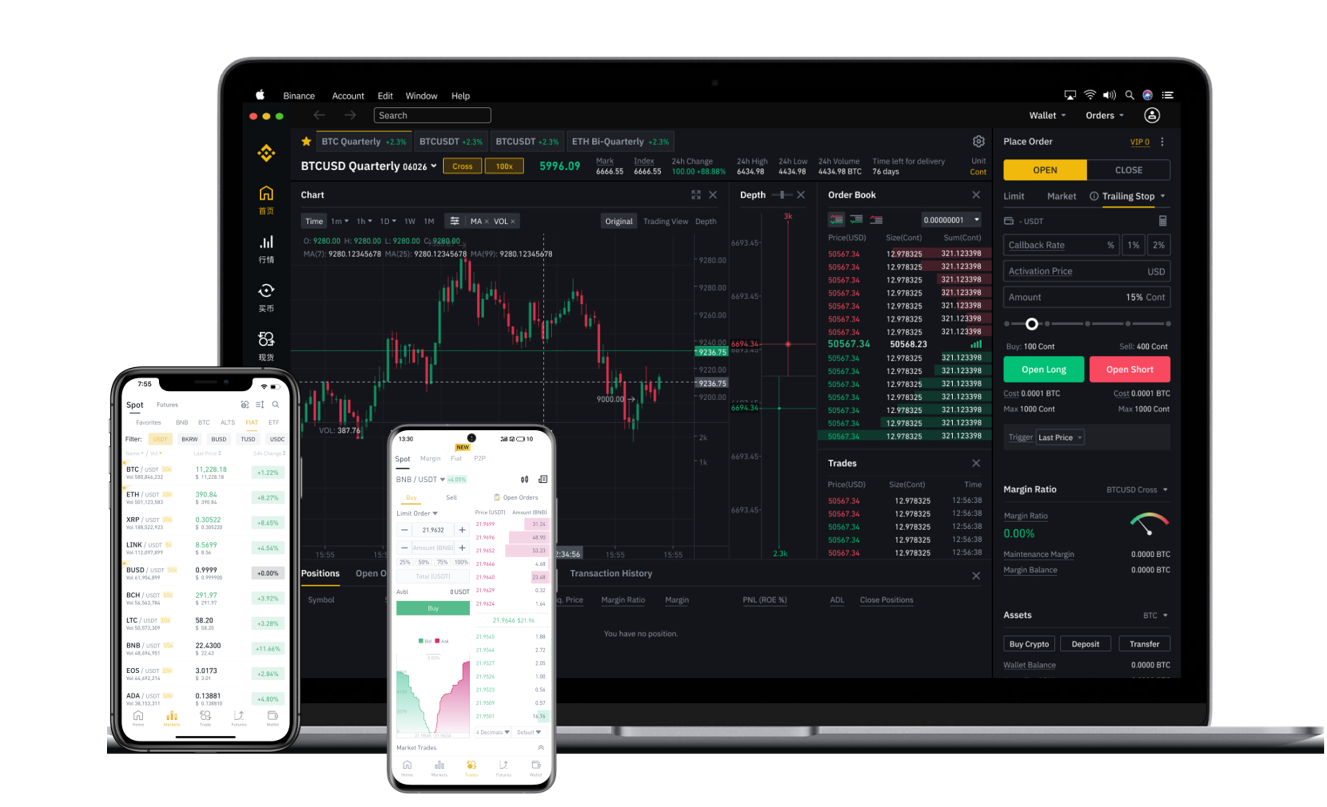
First, you need to log into your Binance account and navigate to the "Trade" section. Here, you will encounter two primary selling interfaces: "Classic" and "Advanced." For most users, the Classic mode provides a clean layout where you can select your trading pair—for example, ETH/USDT or BTC/BUSD. The key to a successful Binance exchange sale lies in choosing between a market order and a limit order. A market order executes instantly at the current best available price, making it ideal for quick sales. However, during periods of high volatility, you may experience slippage, where the final sale price differs slightly from the quoted price. A limit order allows you to set a specific target price, and the sale only triggers when the market reaches that level. This method gives you more control and can help you avoid selling at unfavorable rates.
Another critical aspect of a Binance exchange sale is fee optimization. Binance uses a tiered fee structure based on your 30-day trading volume and whether you hold BNB (Binance Coin) in your wallet. By default, the standard spot trading fee is 0.1% for both makers and takers. However, if you select "Use BNB for Fee" in your account settings, you automatically receive a 25% discount on trading fees. This small adjustment can save you significant amounts if you sell frequently. Additionally, if you maintain a high trading volume or stake VIP levels, your fees can drop even further—to as low as 0.02% for high-volume traders. Always check the current fee rate displayed on the trading page before confirming your sale order.
Safety is paramount when executing a Binance exchange sale. Always verify that you are on the official Binance website or app, as phishing attacks become more sophisticated during bull markets. Enable two-factor authentication (2FA) using Google Authenticator or a hardware security key, and avoid clicking on links from unsolicited messages claiming to offer "Binance support." For large sales, consider using Binance’s OTC (Over-the-Counter) trading desk, which helps you avoid slippage and market impact. OTC sales are particularly useful when selling more than 10 BTC worth of tokens, as you can negotiate a fixed price directly with a counterparty. The platform also offers a "Sell Crypto" feature on the main dashboard, which allows you to convert your crypto to a stablecoin or fiat currency (if available in your region) with a few clicks—but this convenience often comes with a slightly wider spread compared to manual trading on the spot market.
Finally, after your Binance exchange sale is completed, consider your withdrawal strategy. If you sold to USDT or BUSD, you might choose to leave your funds in the Binance Earn product to generate interest while you wait for a better trading opportunity. If you need fiat currency, navigate to the "Wallet" section and select "Withdraw." For users in jurisdictions that support Binance Connect or third-party payment partners, you can sell directly to your bank account or credit card. Remember that withdrawal fees and limits vary by currency and method, so always review the details before proceeding. By following these steps—optimizing order types, leveraging BNB fee discounts, maintaining strong security practices, and planning your exit strategy—you can execute a Binance exchange sale efficiently and confidently in 2025.