
When exploring the world of cryptocurrency trading, one of the first names that appears is Binance. Known globally for its extensive list of available coins and relatively low trading fees, Binance has attracted millions of users. However, for beginners, two major questions often arise: Is Binance a regulated and trustworthy platform? And how exactly does one start using it?
First, let’s address the legitimacy of Binance. Binance is a registered and licensed cryptocurrency exchange operating in multiple jurisdictions. It was founded in 2017 by Changpeng Zhao and has grown into the largest exchange by trading volume. However, it is important to note that Binance does not have a single global headquarters. Instead, it operates different regional entities to comply with local regulations. For example, Binance.US is a separate platform regulated in the United States, while Binance.com serves users in many other countries. The exchange has obtained licenses or registrations in countries such as France, Italy, Spain, and Bahrain. It also follows Anti-Money Laundering (AML) and Know Your Customer (KYC) procedures. Because of these regulatory efforts, Binance is generally considered a legitimate exchange, though users should always verify the legal status of Binance in their specific country before signing up.
Regarding security, Binance has experienced security incidents in the past, including a significant hack in 2019. However, the company fully reimbursed affected users and has since implemented multiple safety layers. These include two-factor authentication (2FA), withdrawal whitelist features, and the Secure Asset Fund for Users (SAFU), which is an emergency insurance fund that protects user assets in extreme scenarios. While no exchange is entirely risk-free, Binance’s security measures are among the most advanced in the industry.
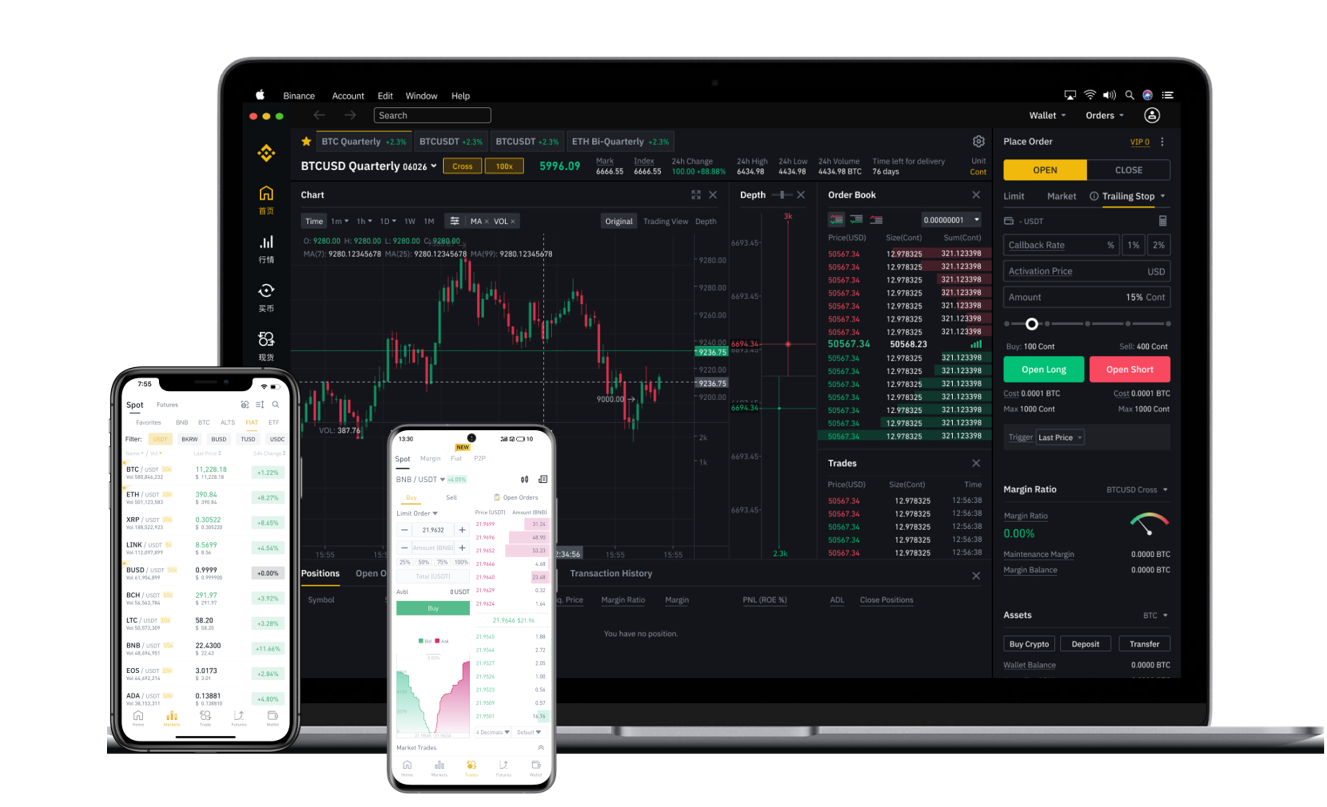
Now, how do you start using Binance? The process is straightforward. First, download the Binance app from its official website or an authorized app store. Alternatively, you can use the web version. Registration requires an email address or phone number, followed by a strong password. After registration, you will need to complete identity verification (KYC) by uploading a government-issued ID and a selfie. This step is mandatory to access full trading features and increase withdrawal limits.
Once verified, you can deposit funds. Binance supports both fiat currencies (like USD, EUR, GBP) and cryptocurrencies. To deposit fiat, go to “Buy Crypto” and select a payment method such as a bank transfer, credit card, or third-party payment service. For crypto deposits, navigate to your wallet, find the coin you wish to deposit, and copy the unique deposit address. Then send the funds from your external wallet to that address.
After funding your account, you can start trading. The platform offers multiple order types, including market orders (instant trade at current price) and limit orders (trade only at a specified price). For beginners, the “Convert” feature is the easiest way to buy and sell with a simple interface. More experienced users can explore the “Advanced” trading dashboard for charting tools and margins. You can also explore Binance’s other products like staking, savings, and futures, but it is recommended to start only with spot trading until you are comfortable with the platform.
Finally, remember to withdraw any funds you do not plan to trade actively to a private wallet for added security. Binance also recommends enabling withdrawal whitelist and using the Binance Authenticator app for 2FA. By following these steps and staying updated on regulatory news in your region, you can use Binance safely and effectively as part of your cryptocurrency journey.